Thoughts on Standardizing Programming Languages
I’ve worked at a few places where there is a “standard” language. From an organisational perspective, this makes a lot of sense: if everyone writes the same language, then it’s easier to move developers (and code) around, which should lead to higher productivity.
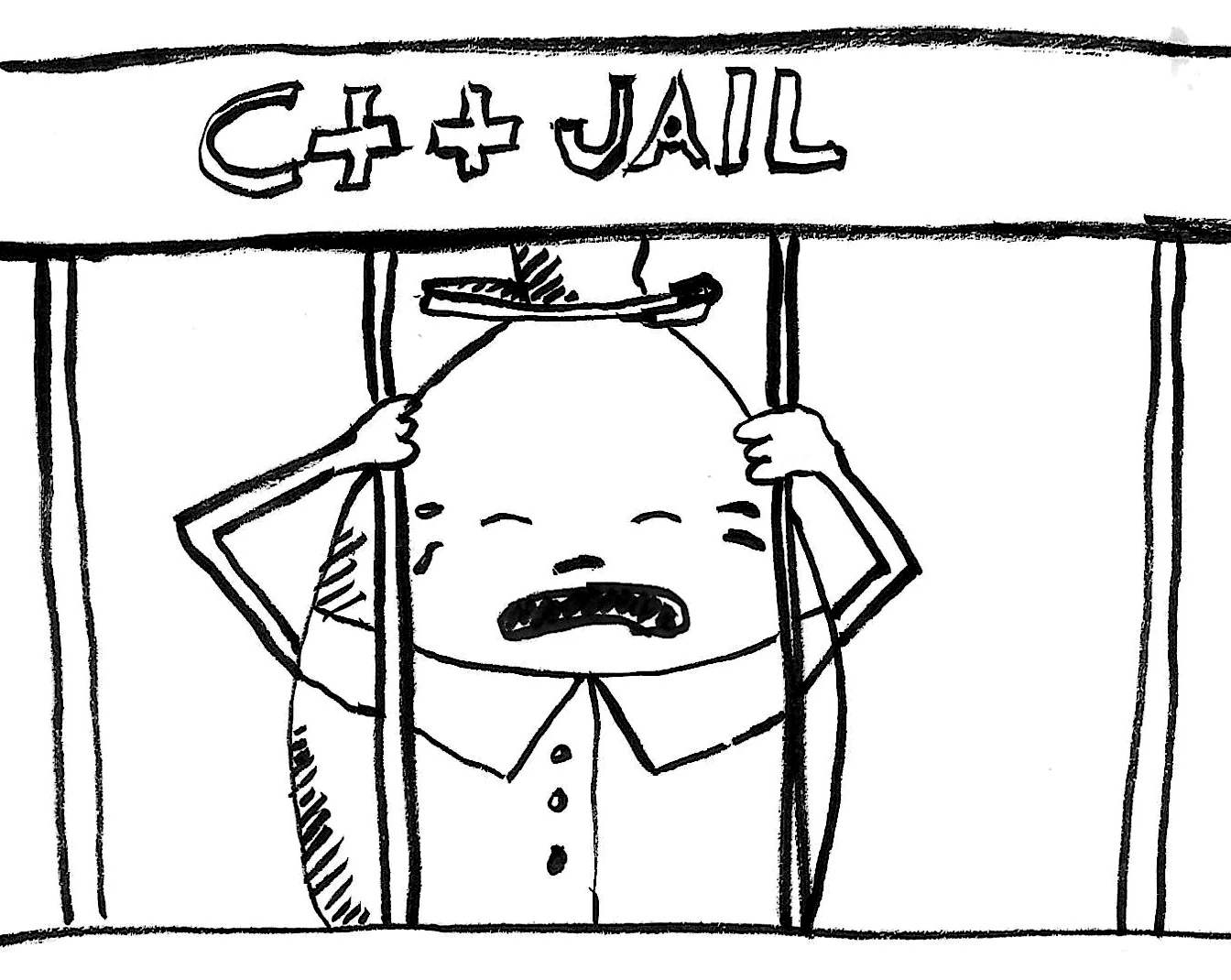
The downside is that developers tend to have preferences, and they may not like language X. If the company has had a policy of always using language X from the start, then employees will probably self-select themselves out of working there. But imposing a language on developers who have been used to freedom to choose (even if from a slightly larger set of languages), risks a developer revolt.
I’m wondering how much this is going to matter in the future. If the trend continues, and more code is being written by large language models, then how important is it to know the ins and outs of a specific language?
Being good at architecture, understanding clean code and best practices suddenly become much more important.
Of course, there are languages (and frameworks) that LLMs are better at. But this is also changing fast. A few years ago, LLMs struggled to write things in Rust, but they seem to have improved a lot.
It will always be true that it is easier to glue things together if they are written in the same language. But often, a codebase is used to define an API rather than a library.
Maybe then, language restriction will make more sense for cases like desktop software, which needs to be compiled into a single package. For companies that are building APIs, developers should be given more freedom to choose their own languages.